
What does "stretch" mean? Definition and significance in textile printing
In textile printing, stretch refers to a material’s ability to elongate under tension and then return to its original shape. This property is crucial for the durability and quality of prints, especially on elastic textiles such as athletic wear, stretch shirts, or performance fabrics. Elasticity influences both the material properties and the printing techniques required to achieve a durable and flexible result.
Arsonists, your creative partner for high-quality textile finishing in Munich, takes the stretch of each fabric into account on a case-by-case basis. This ensures that prints remain elastic without tearing, warping, or losing color intensity—perfect for projects where both function and design are equally important.
Why is stretch so important in textile printing?
- The elasticity of the material is a key factor in determining the choice of printing technique and ink:
- Note: Printing inks must be able to stretch along with the material to prevent cracking and peeling.
- Elasticity: High elasticity is essential, especially for sports and casual wear.
- Durability: Elastic prints retain their shape even after frequent wear and washing.
Practical examples at Arsonists
- Sportswear: Stretch fabrics require flexible inks to ensure freedom of movement.
- Corporate Fashion: Workwear must remain durable and retain its shape—even after repeated stretching.
- Event merchandise: T-shirts and hoodies should be comfortable to wear without the print cracking.

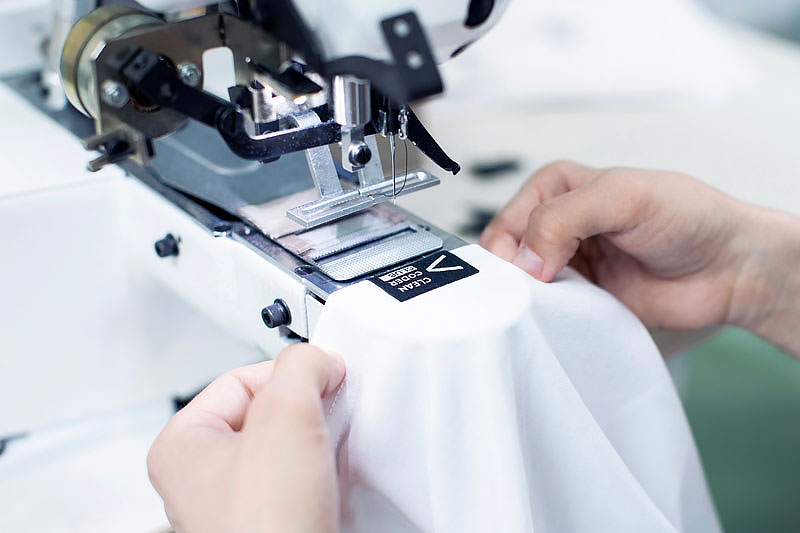
The Effect of Strain on Printing Processes
• Screen printing: Requires special, flexible inks that adapt to the material.
• Transfer printing: Must be combined with heat-resistant, elastic films when used on stretchy fabrics.
• Digital printing: This is often done using stretchable inks that adhere to elastic fabrics.
Synonyms and related terms
Elasticity
Tensile behavior
stretchability
Tips for Working with Stretchable Materials
- Pre-treatment: Stretch fabrics should be gently stretched before printing to prevent distortion later on.
- Choosing printing inks: Use inks with high flexibility and elasticity.
- Washing tests: Regular stress tests ensure the durability of the print.
Frequently Asked Questions About Stretching
Why does the print sometimes crack on stretchy fabrics?
This is often due to insufficiently flexible inks or incorrect printing parameters. Professional processes prevent such damage.
How can you test the elasticity of a fabric?
By applying controlled tension to a piece of fabric, its stretch behavior can be tested in advance.
Can any composition be printed on textiles?
Yes, with the right printing process—such as digital printing or screen printing—almost any composition can be realized.
Why Arsonists is your ideal partner for flexible textile finishing
With over 15 years of experience, Arsonists combines technical precision with creative passion. For every project, we select the right technique and color to perfectly balance stretch, durability, and aesthetics. Whether it’s athletic apparel, merchandise, or corporate fashion—Arsonists in Munich delivers prints that stand up to every movement.